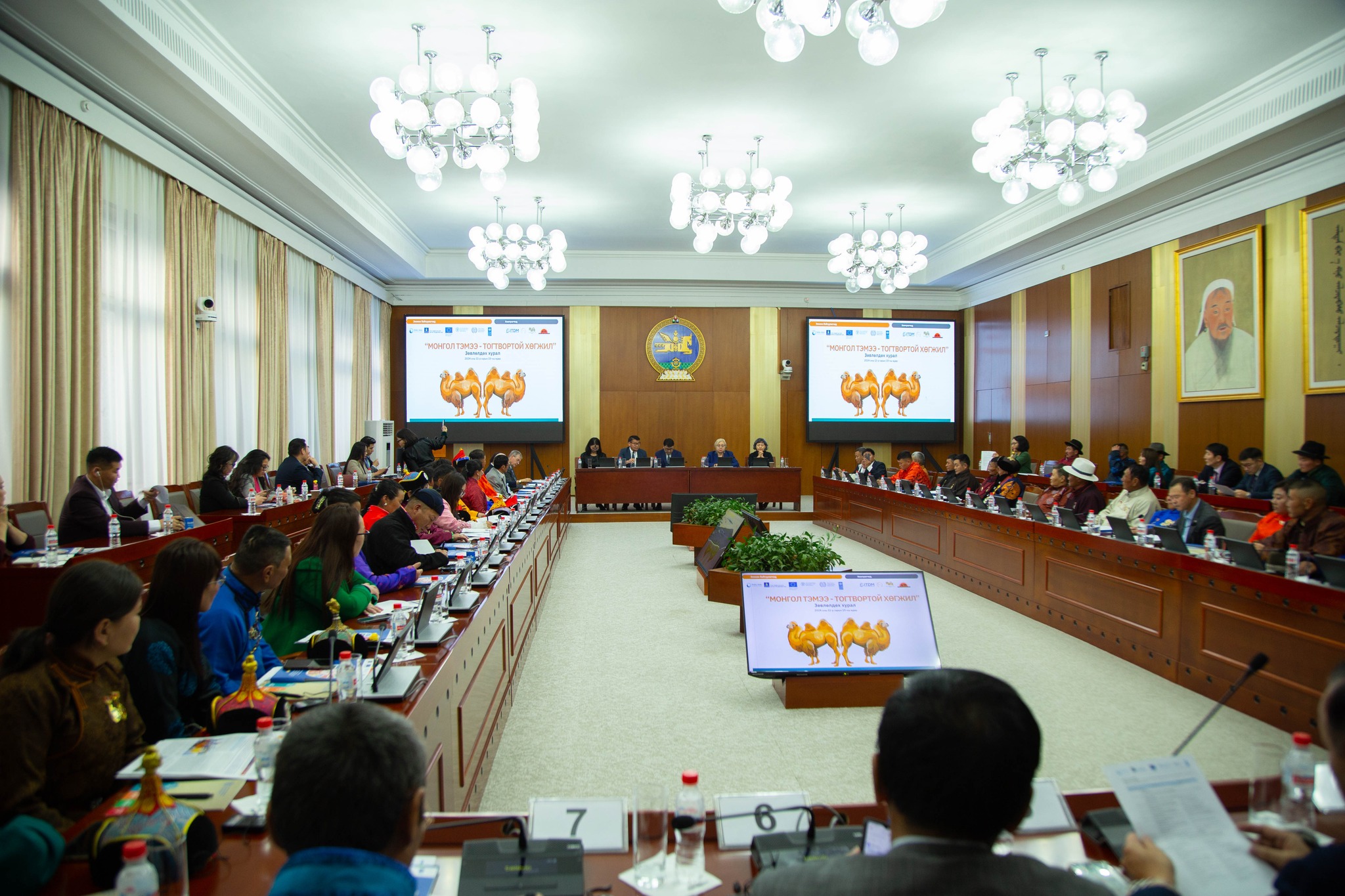
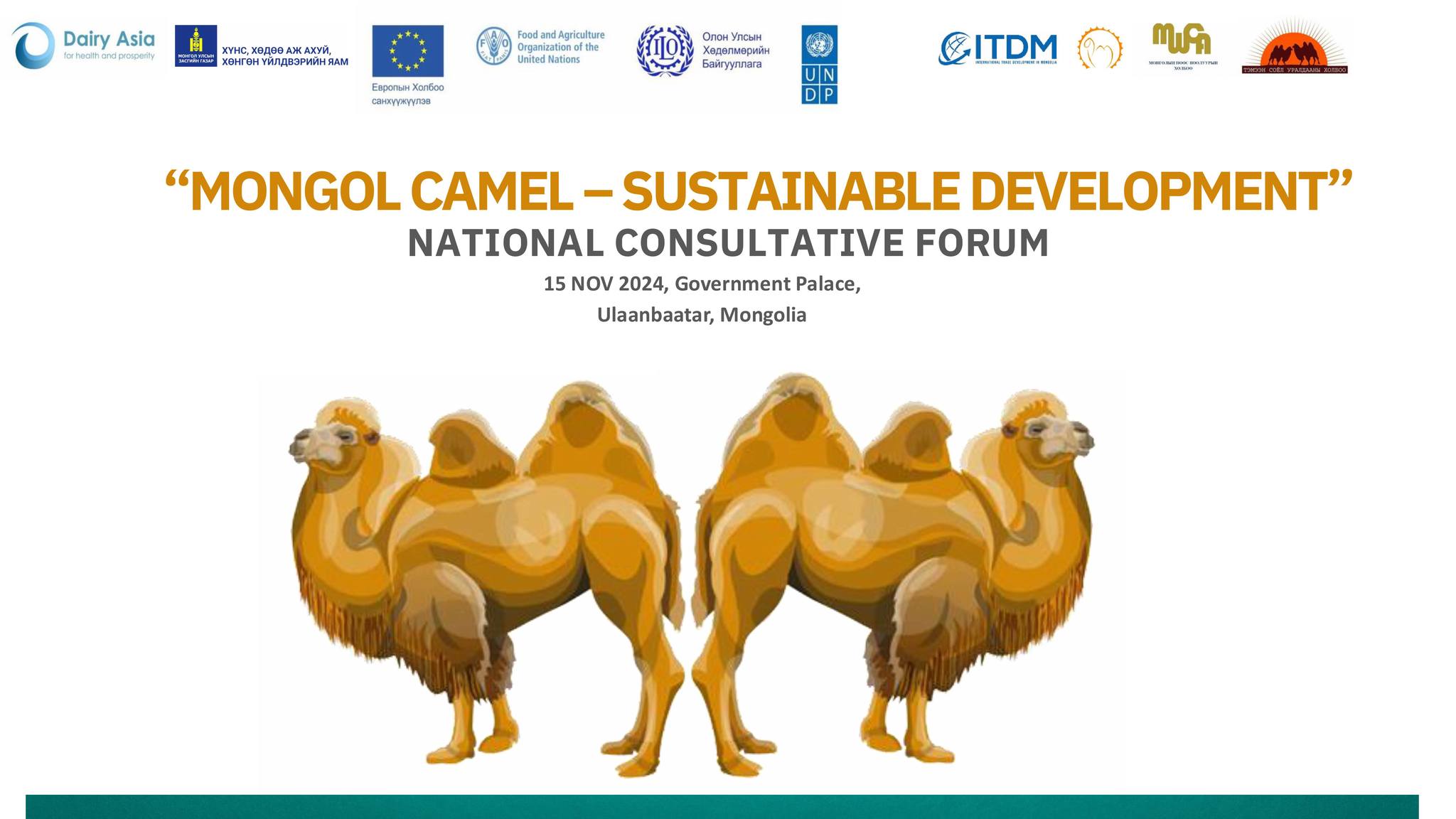
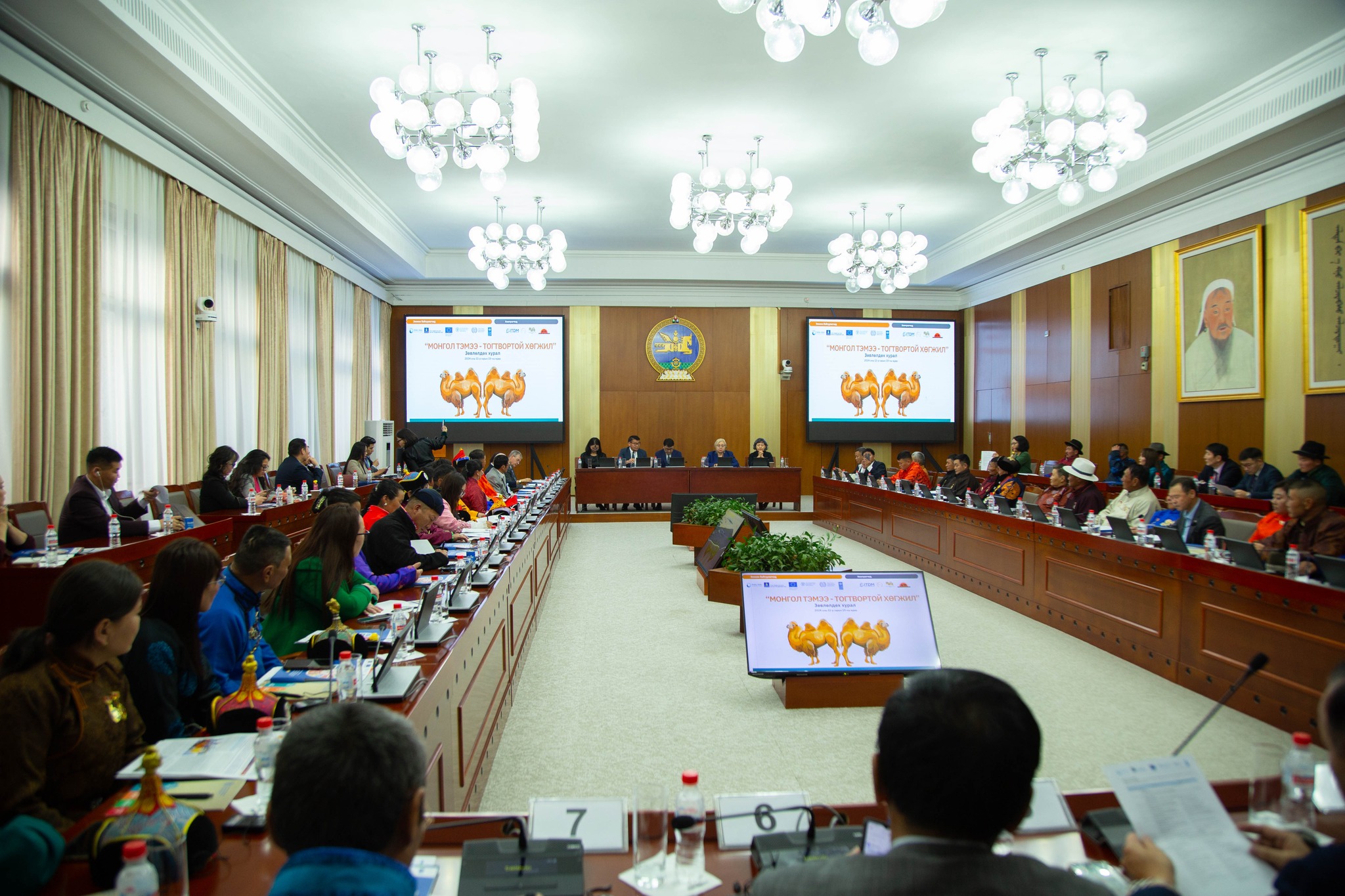
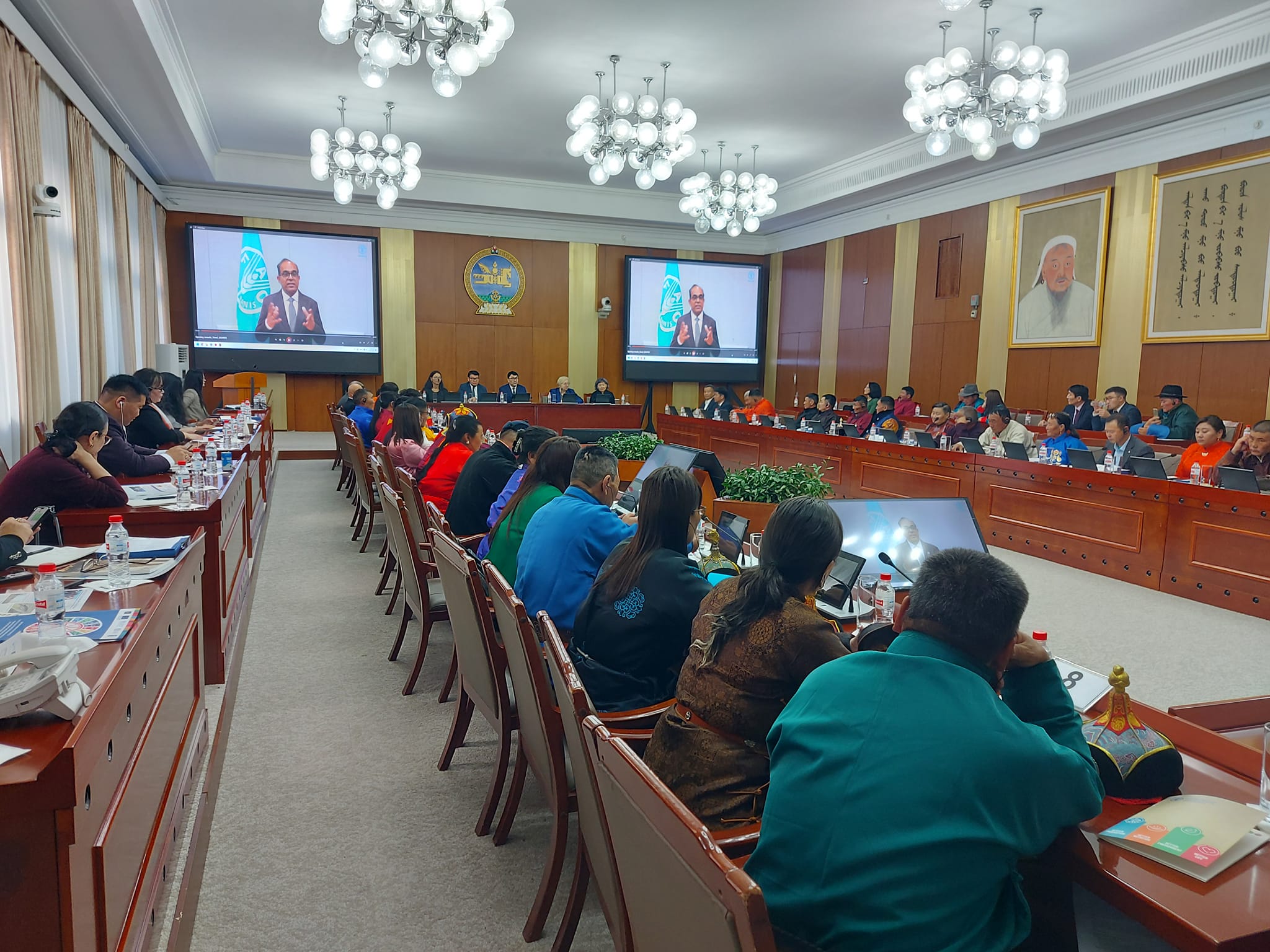
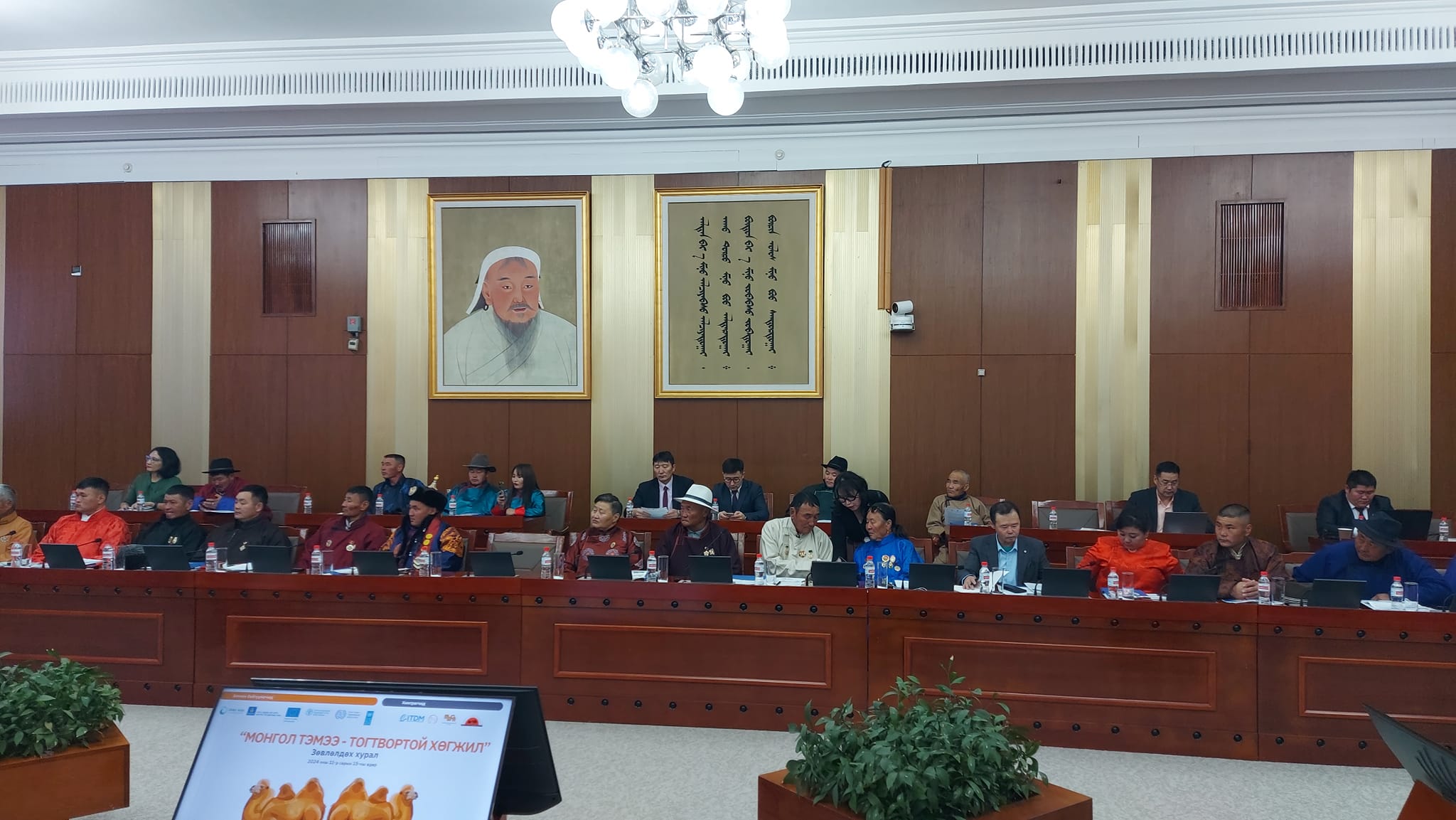
Ulaanbaatar, Mongolia – In observance of the International Year of Camelids, a national consultative forum entitled “Mongol Camel – Sustainable Development” was convened on 15th November 2024 at the Government Palace in Ulaanbaatar. The event was jointly organized by Dairy Asia, the Ministry of Food, Agriculture and Light Industry of Mongolia, the Food and Agriculture Organization of the United Nations (FAO), the Mongol Bactrian Association, the Mongolian Camel Racing Association, the Mongolian Camel Culture Center, the Mongolian Camel Polo, Sport Races and Travel Association, and the Mongolian Wool and Cashmere Association.
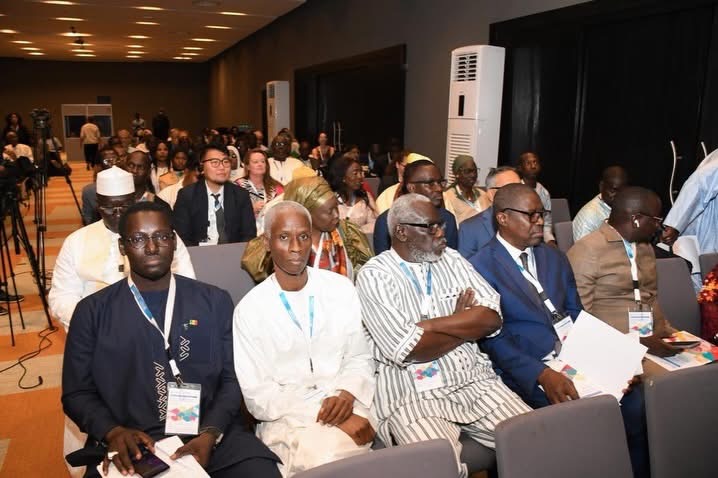
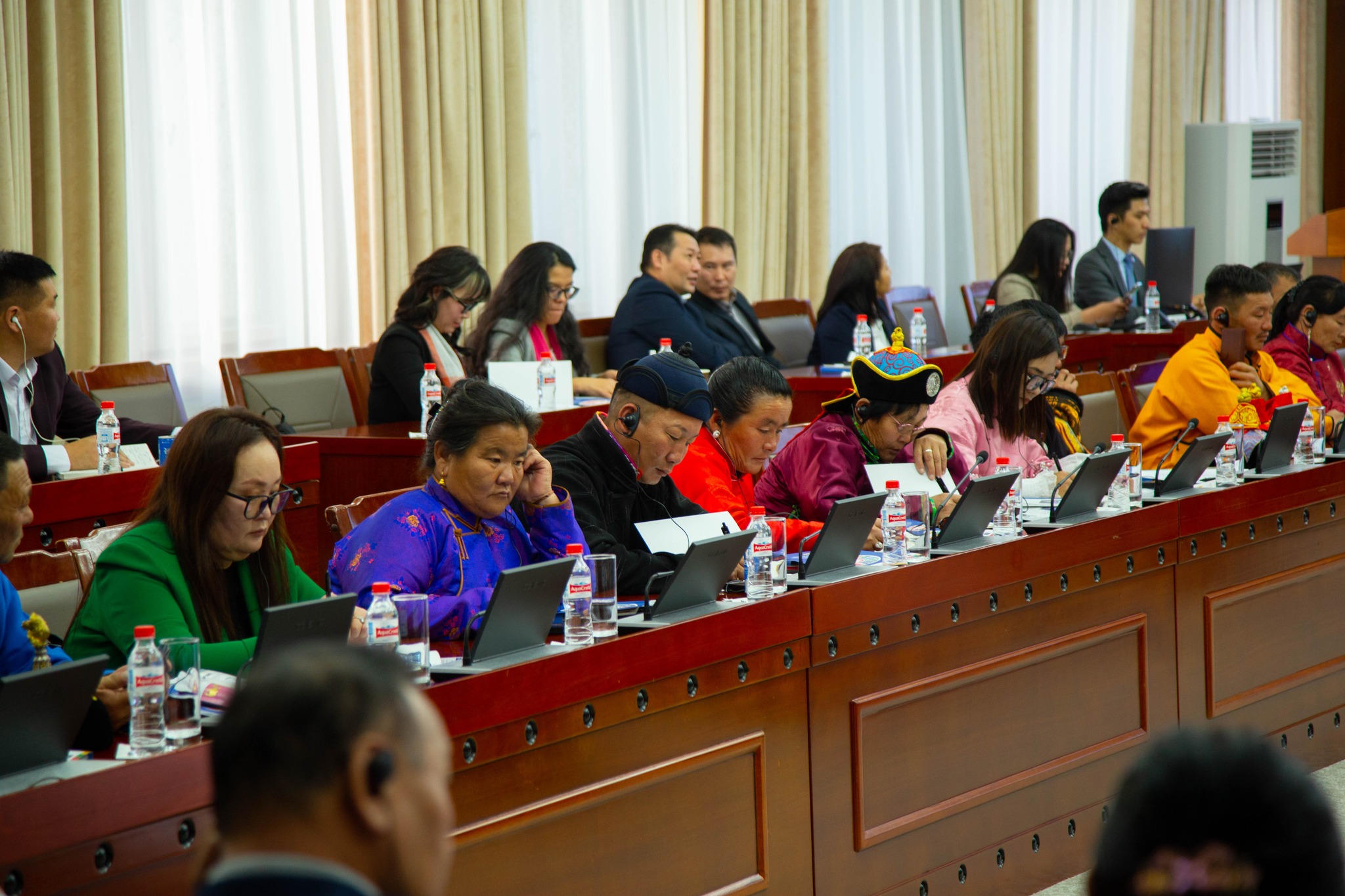
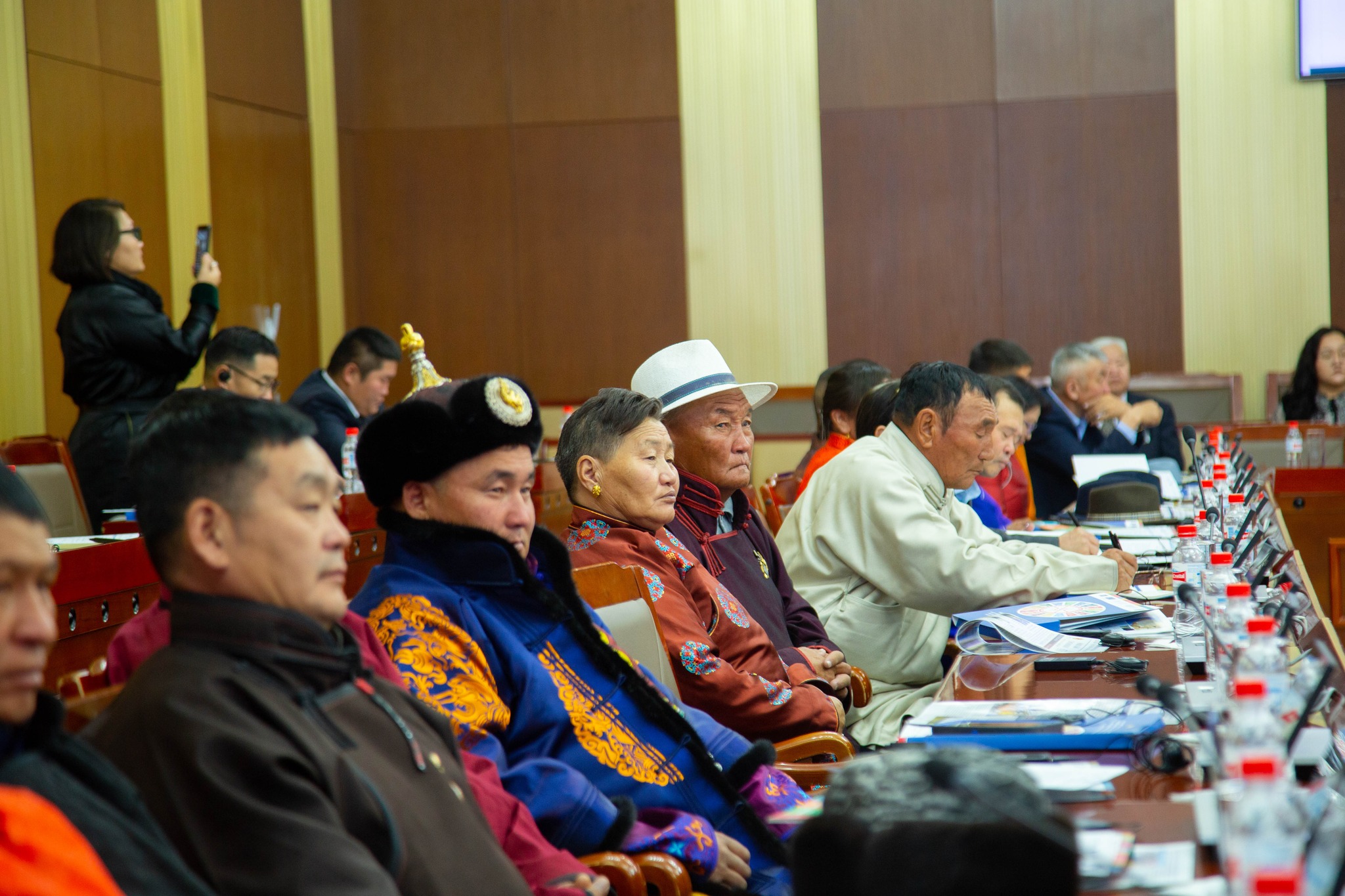
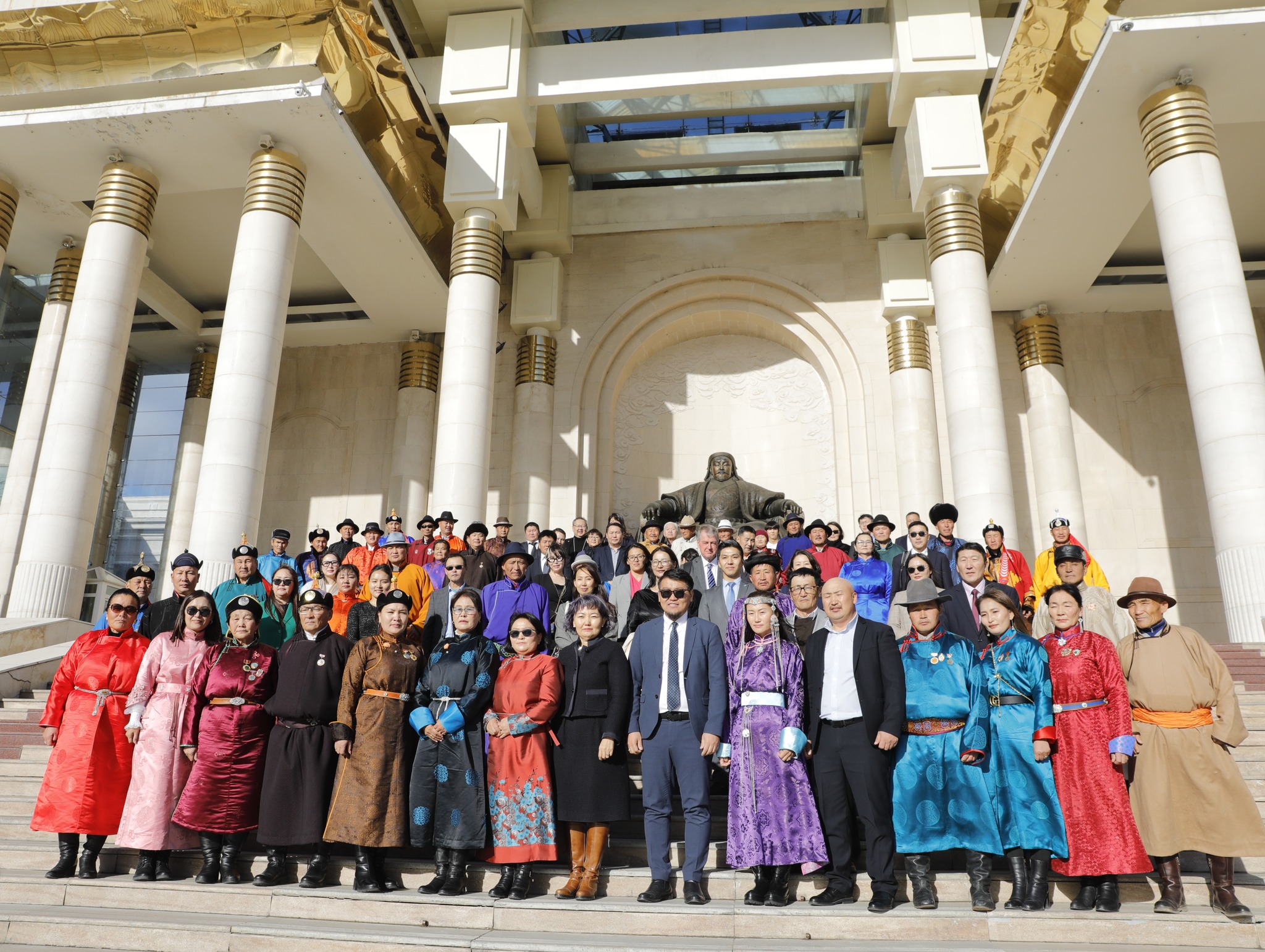
The forum brought together approximately 100 participants, comprising camel herders from multiple provinces, camel milk producers, wool processors, researchers, subject matter experts, local authorities, industrial associations, and government decision-makers.
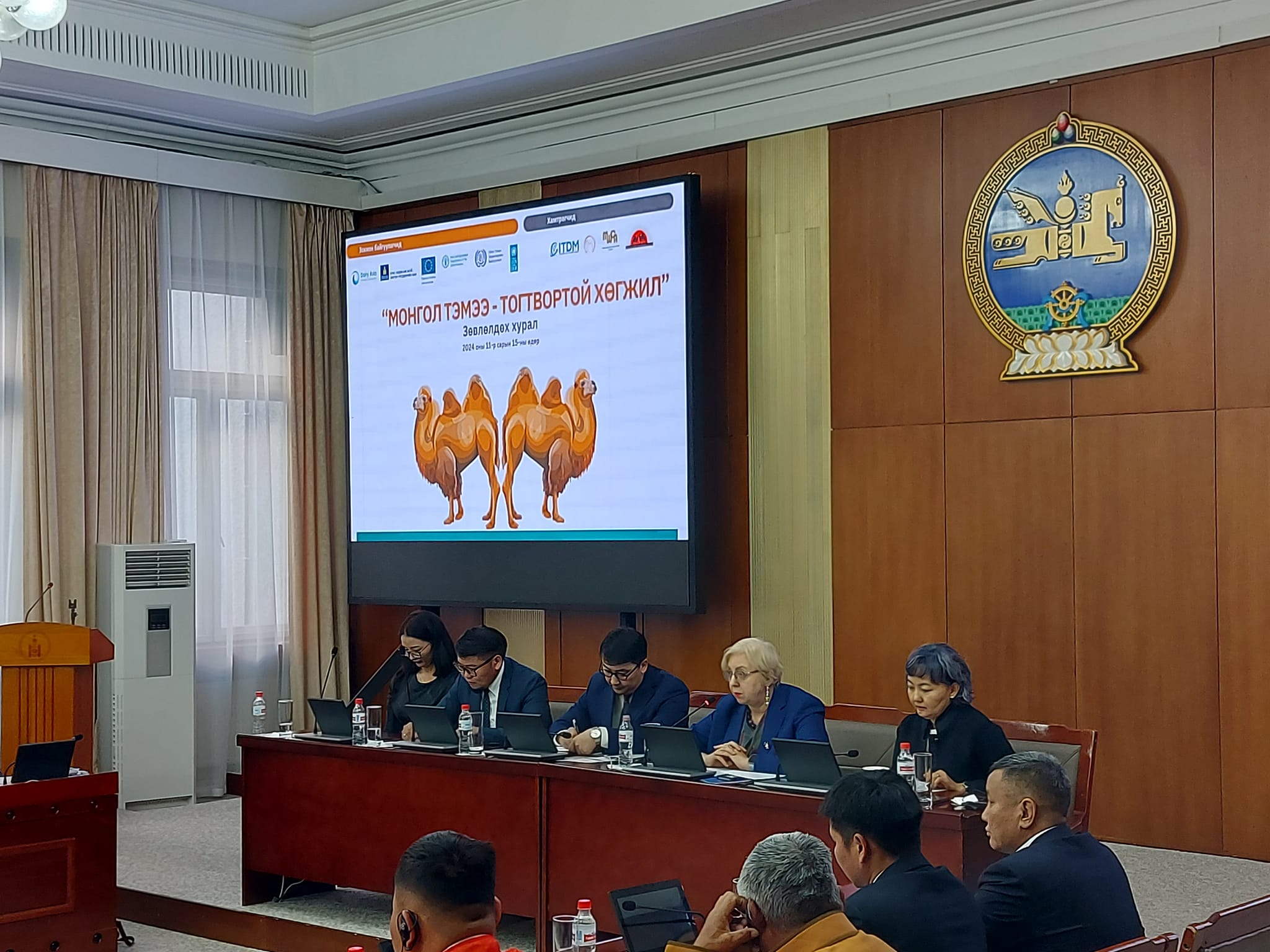
The opening ceremony featured addresses from Mr. T. Jambaltseren, State Secretary of the Ministry of Food, Agriculture and Light Industry of Mongolia; Her Excellency Ms. Ina Marčiulionytė, Ambassador and Head of Delegation of the European Union to Mongolia; and Dr. Vinod Ahuja, FAO Representative ad interim for China, Mongolia, and the Democratic People’s Republic of Korea.
Under the moderation of Mr. Batbaatar Bayarmagnai, CEO & Coordinator of the Dairy Asia Secretariat, the forum agenda included the following presentations:
“Government Policies and Activities in the Camel Sector” – Dr. Ts. Munkhnasan, Ministry of Food, Agriculture, and Light Industry.
“Project Results for Enhancing the Camel-Milk Value Chain” – Ms. Nyamjargal G, FAO Mongolia.
“Global Overview of Camel Sector – Mongolia’s Opportunities and Goals” – Mr. Batbaatar B, Dairy Asia Secretariat.
“Health Benefits of Camel Milk: Latest Developments and Sector Outlook” – Dr. Ch. Javzandulam, Mongol Bactrian Association.
“Introducing Camel Dairy Products to the EU Market” – Mr. Carl E Crug, ITDM.
“Camel-Wool Industry: Challenges and Outlook” – Ms. N. Nomin, Mongolian Wool and Cashmere Association.
“Camel Culture Development in Mongolia” – Ms. D. Erdenetuya, Mongolian Camel Culture Center.
“Camel Racing: Its Significance and Tourism” – Mr. N. Ariunsanaa, Mongolian Camel Culture and Racing Association.
“Camel Sector Development: Camel Polo and Other Significance” – Mr. Ts. Oyunbaatar, Mongolian Camel Polo, Sports Racing and Travel Association.
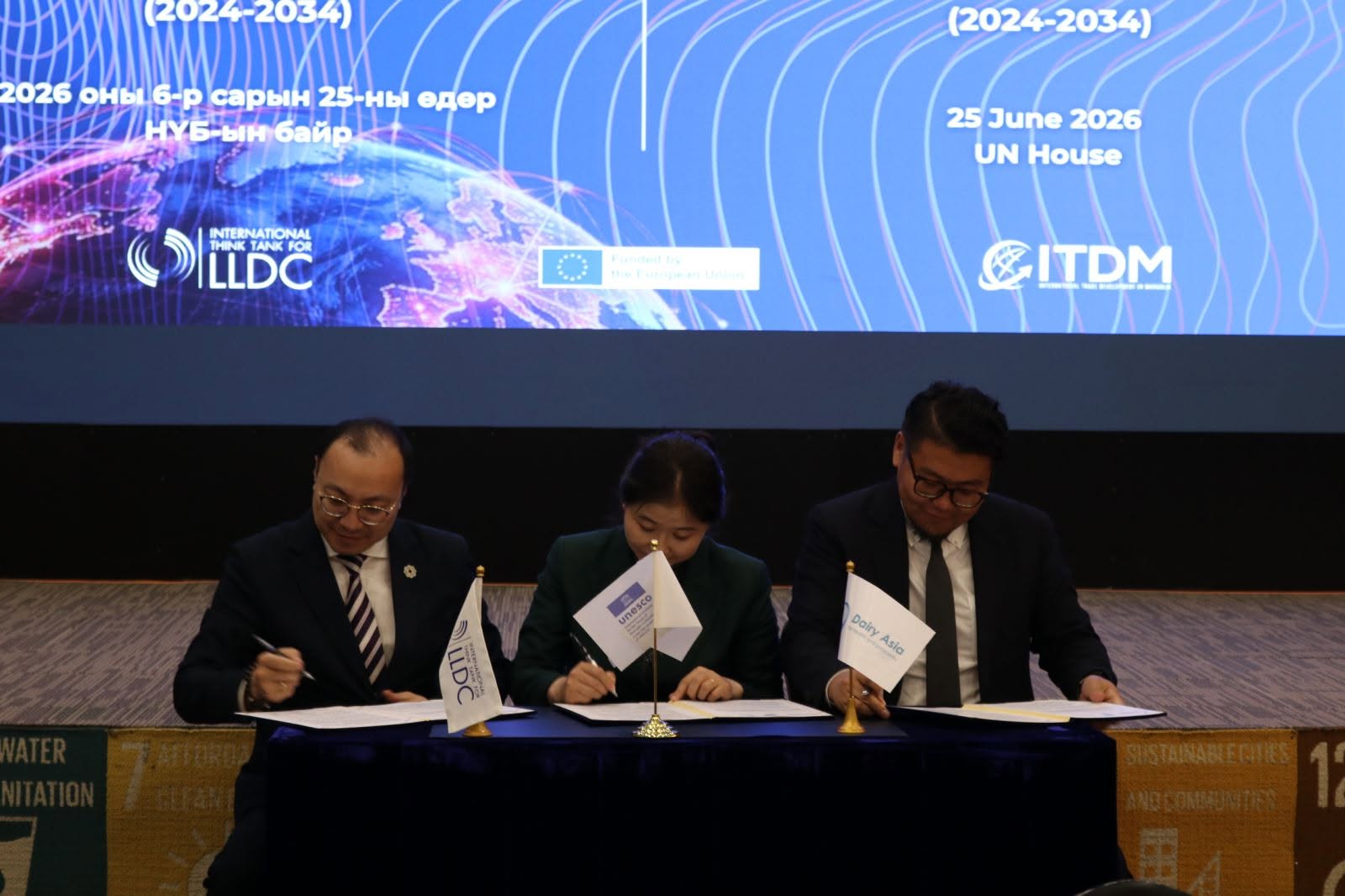
A key outcome of the forum was the signing of a tripartite Memorandum of Understanding (MoU) between the Ministry of Food, Agriculture and Light Industry of Mongolia, Dairy Asia, and the Mongolian Camel Milk Cluster NGO. This agreement aims to promote the sustainable development of the domestic camel milk sector.
Discussions throughout the forum emphasized Mongolia’s unique status as the home of the World Bactrian camel. Participants engaged in a comprehensive analysis of the sector’s current state, identifying primary challenges, sharing best practices, and exploring opportunities for growth. Key themes included increasing herder incomes, improving livelihoods, providing training for young herders, developing camel-based tourism, preserving traditional knowledge, and protecting the fragile Gobi ecosystem from land degradation. The nutritional value of camel milk and its potential role in public health initiatives, such as school lunch programs in rural provinces, was also a focal point, alongside strategies to incentivize production of camel milk and baby camel wool.
In conclusion, the forum participants reached a consensus on a set of 16 recommended actions to guide the sustainable development of the Mongolian camel sector. A notable recommendation includes the endorsement of Dairy Asia’s initiative to establish a World Bactrian Camel Association in Mongolia.

© 2026. Dairy Asia. All rights reserved. Developed by Mind Agency