“Mongolian Camel Economy” consultative meeting convened
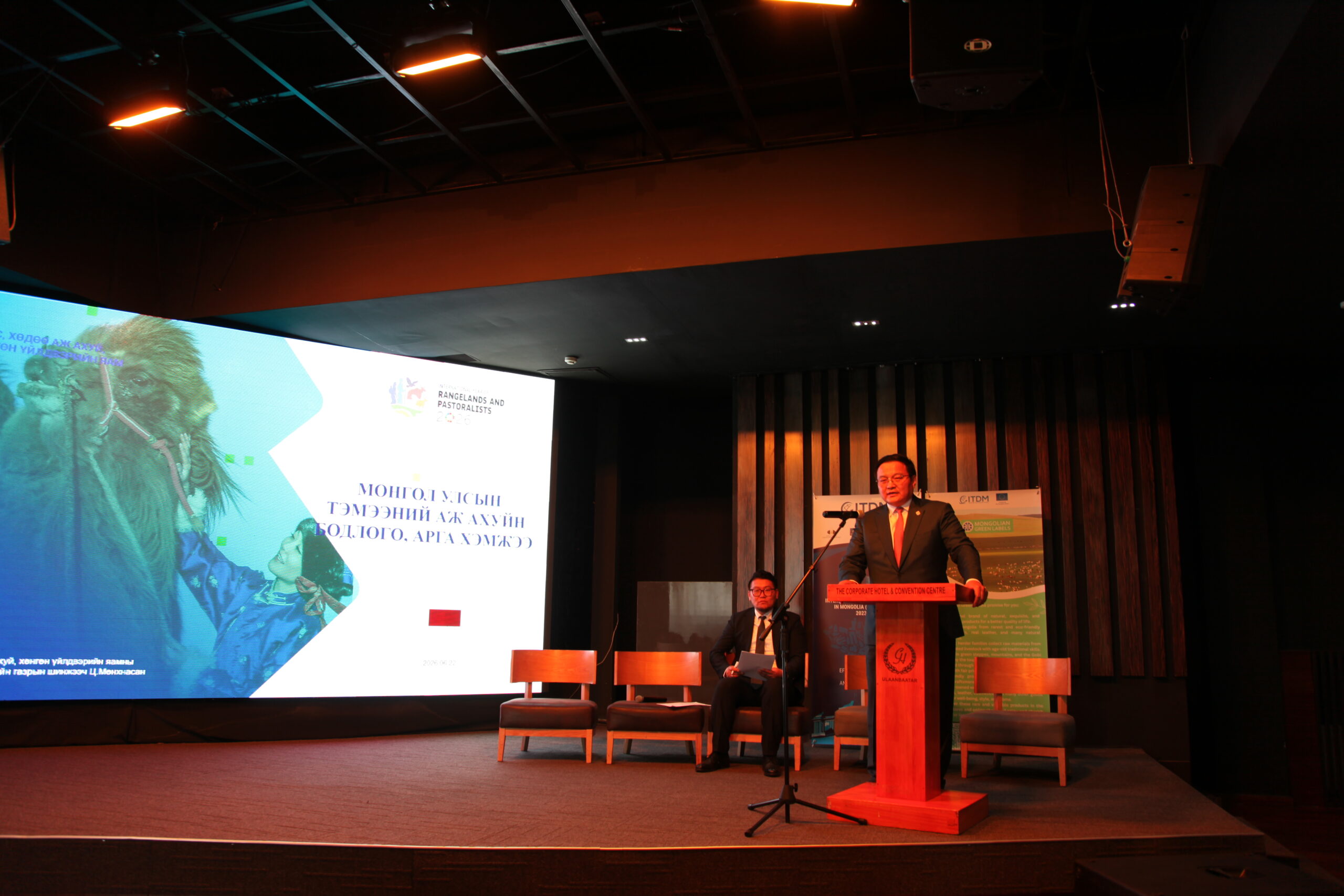
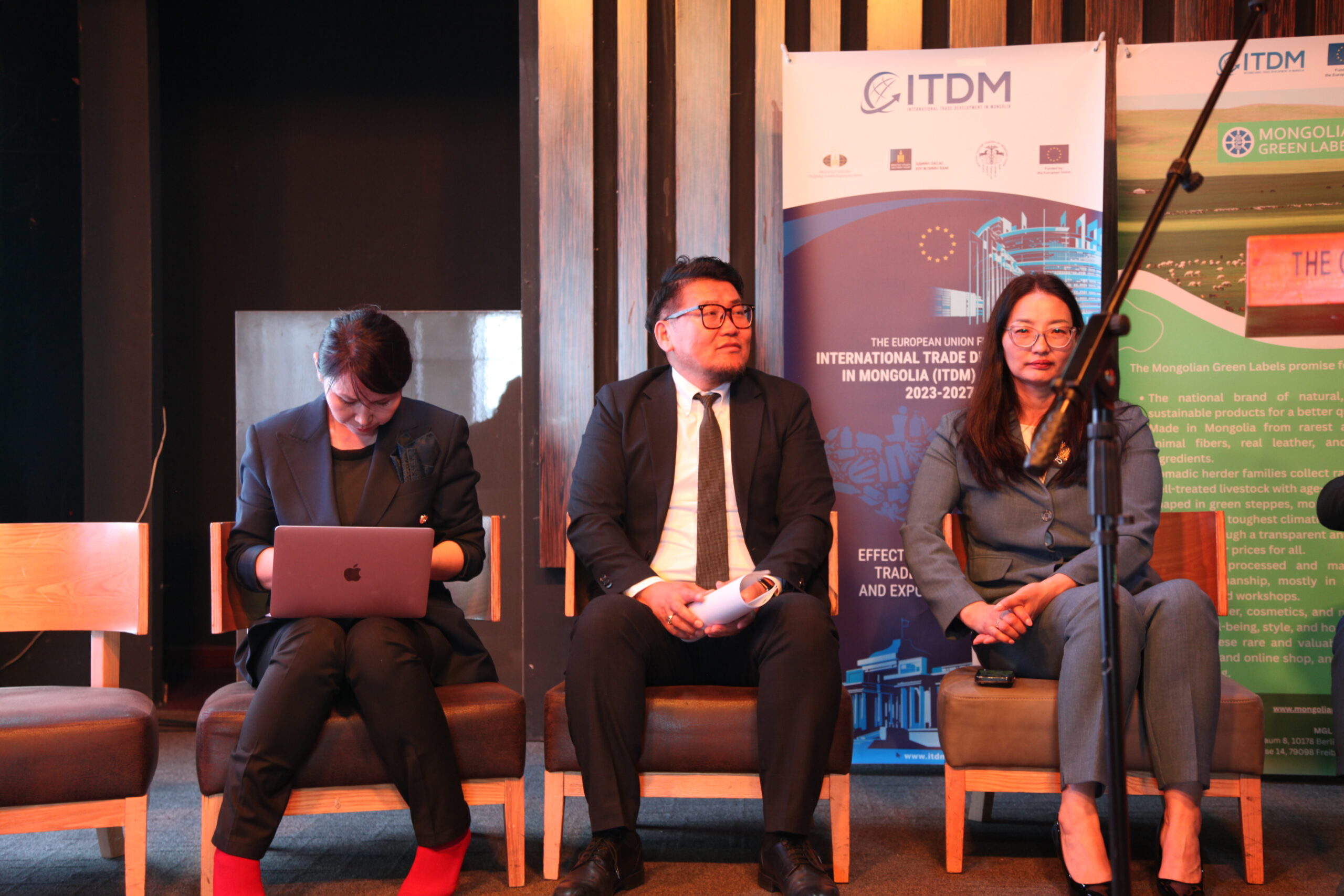
Ulaanbaatar, Mongolia. In commemoration of World Camel Day, observed annually on June 22, the Dairy Asia Secretariat, the EU funded “International Trade Development” Project (ITDP), the Ministry of Food, Agriculture, and Light Industry of Mongolia, the Mongolian Camel Milk Cluster, and the Mongolian Export Cluster Network jointly organized the “Mongolian Camel Economy” consultative meeting on June 22, 2026.
The opening session featured addresses by Dr. L. Choi‑Ish, Director General, Department for Coordination of Livestock Policy Implementation at the Ministry of Food, Agriculture, and Light Industry, and Mr. Carl Krug, Key Expert of the ITDP.
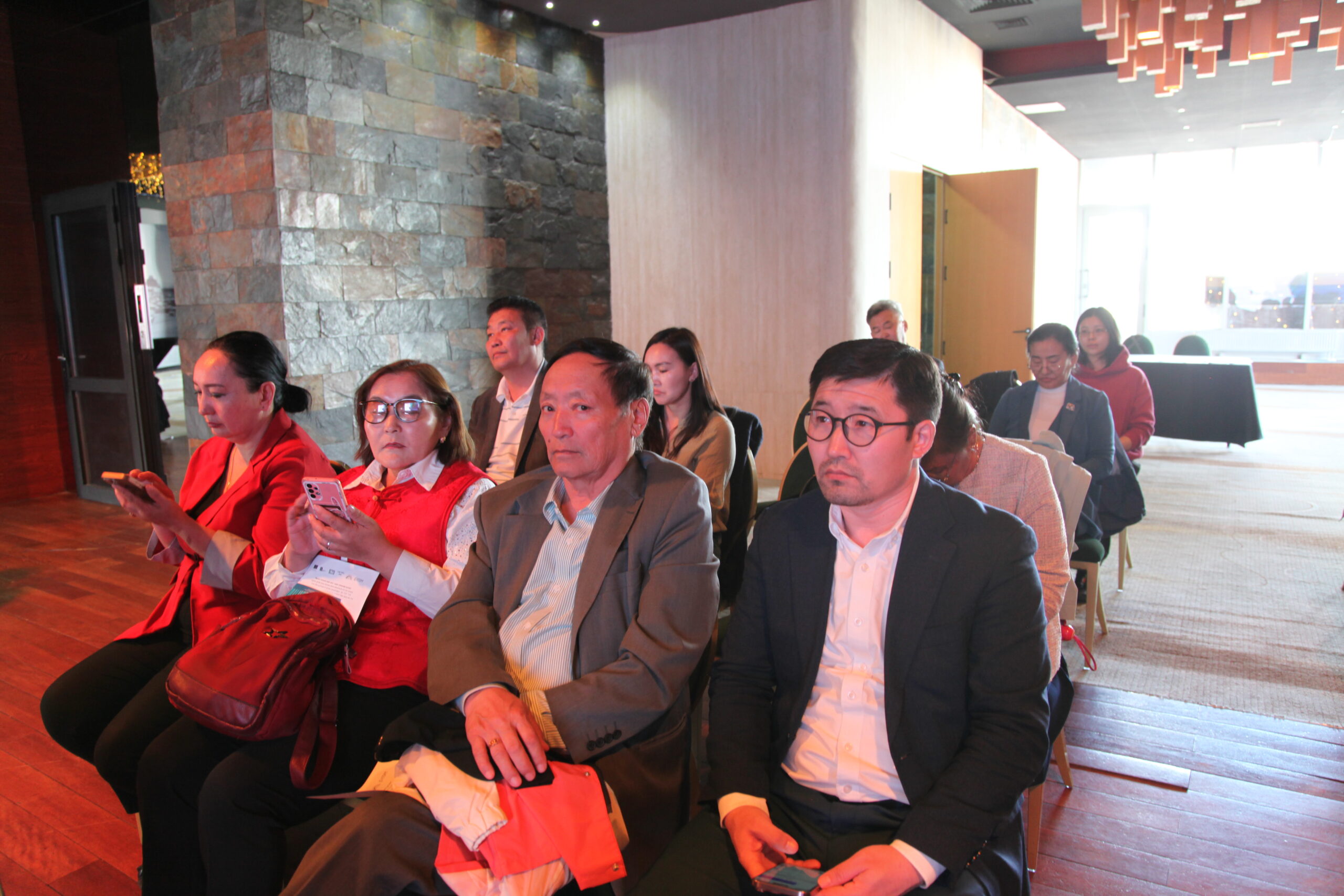
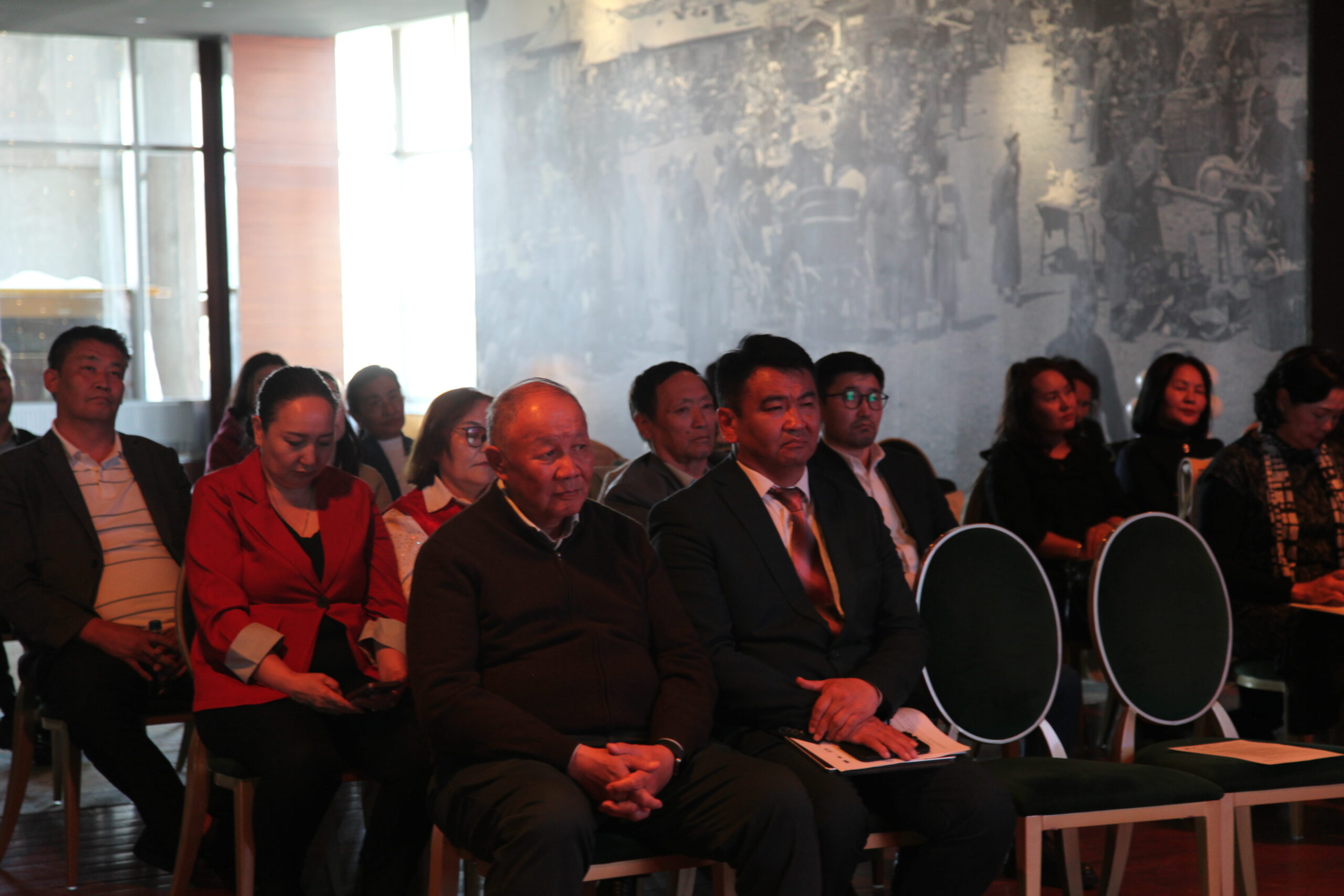
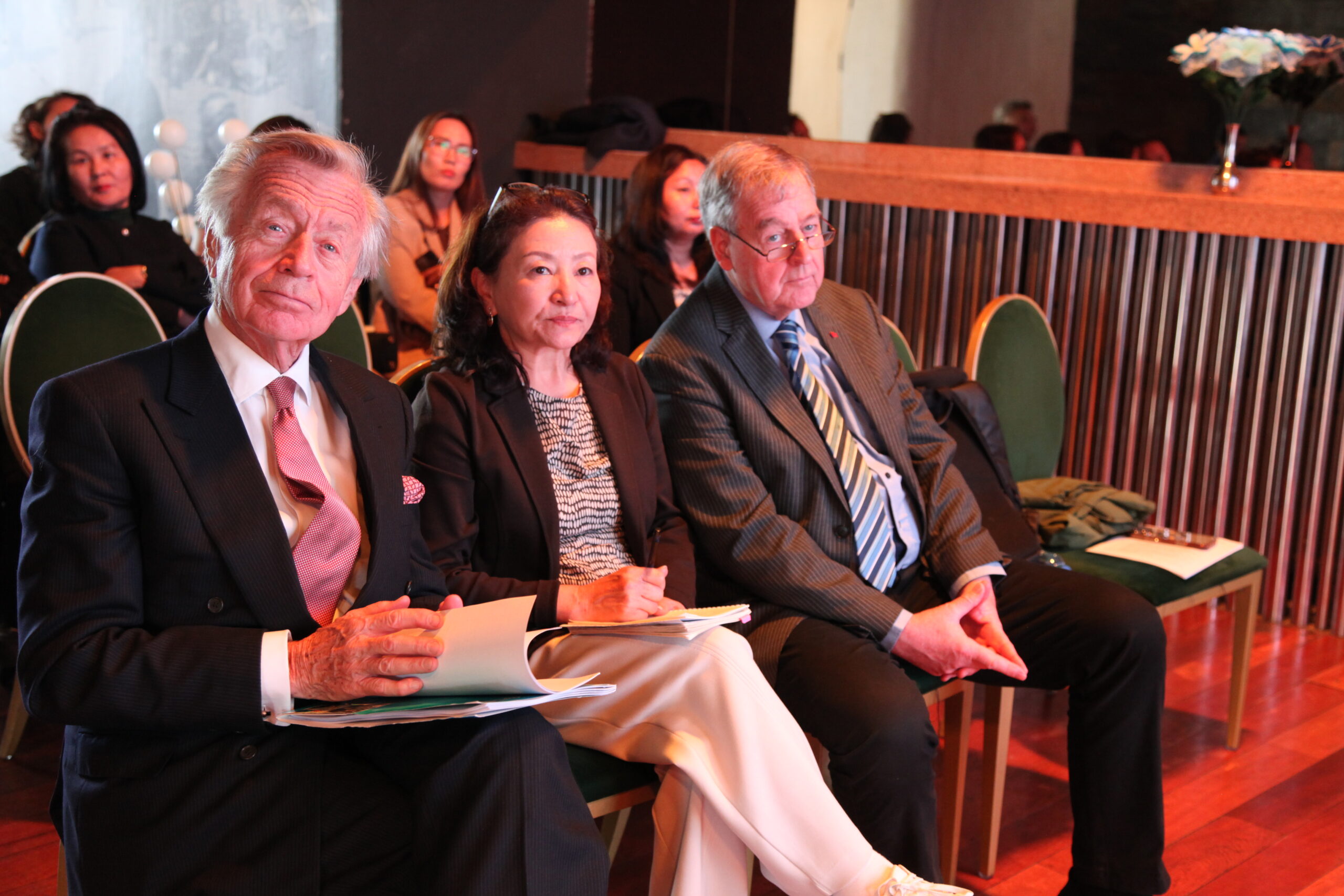
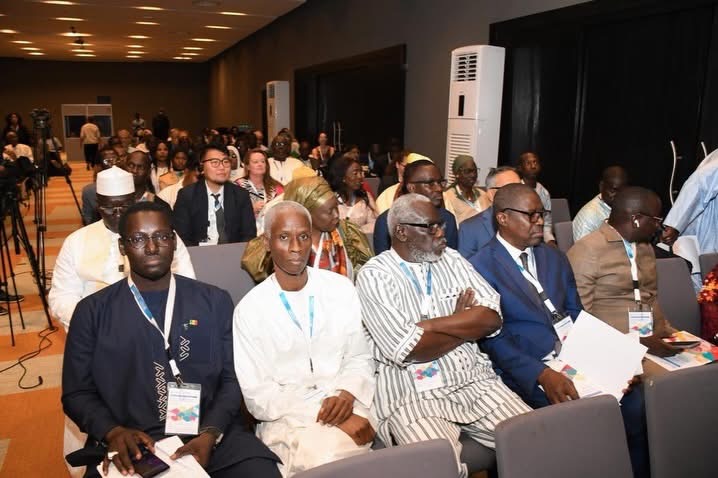
The meeting assembled a diverse group of stakeholders, including specialized researchers and academics working in Mongolia’s camel sector, representatives of the private sector, professional industry associations, and delegates from international organizations. Discussions centered on the commercialization potential of the camel industry, existing challenges and constraints, and avenues for future collaborative action. His Excellency R. Seddorj, Member of Mongolian Parliament and President of the Mongolian Camel Culture, Sport, and Racing Federation, attended the gathering and extended his congratulations to the participants.
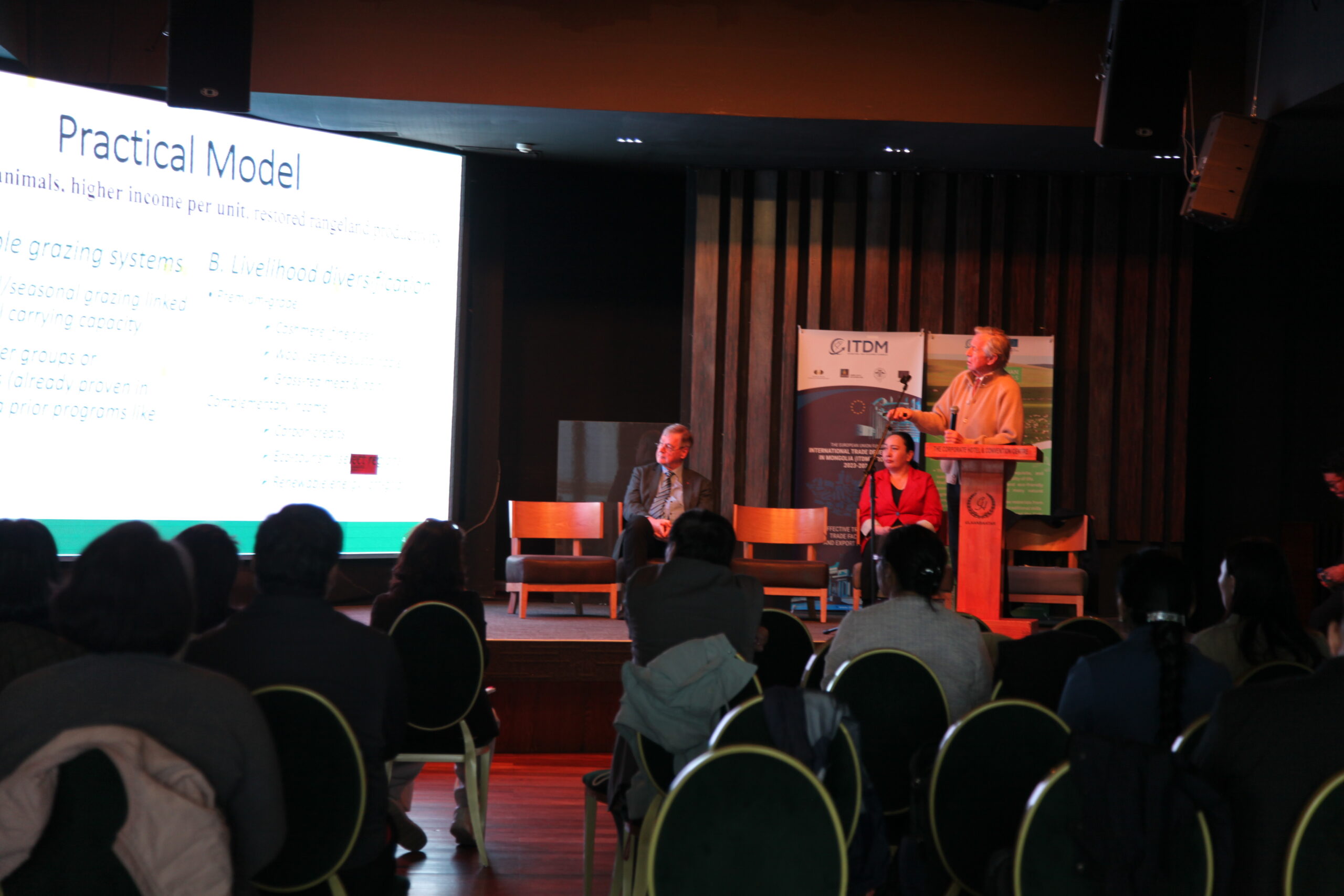
The proceedings were moderated by Mr. B. Batbaatar, CEO and Coordinator of Dairy Asia. A series of expert presentations were delivered as follows:
Dr. Ts. Munkhnasan, Senior Officer, Policy Planning Department, Ministry of Food, Agriculture, and Light Industry of Mongolia – “Government policies and measures for the Mongolian camel sector”;
Dr. Prof P. Nyam‑Osor, the Mongolian University of Life Sciences – “The economic significance of the Mongolian camel”;
Dr. Ch. Javzandulam, Executive Director of the Mongolian Camel Milk Cluster – “Camel milk: resources, and development perspectives”;
Ms. Ts. Surentsetseg, Director of InGen LLC – “Developing innovative products for the food, health, and cosmetics industries leveraging Bactrian camel benefits and bioactive compounds of camel milk”;
Dr. V. Bolormaa, National Expert on camel wool – “Camel wool: resources, and development perspectives”;
Mr. Randolph Koppa, Chairman of the Board of the Trade and Development Bank and Chairman of the UN COP17 Business4Land Advisory Committee – “Green transition and the Mongolian camel economy”;
Mr. Carl Krug, Key Expert, ITDP – “The camel economy, international opportunities, and project support”;
Ms. Kh. Ariungoo, Operations Director of the Mongolian Export Cluster Network NGO – “Innovation clusters and cooperation as drivers to accelerate camel economy development.”
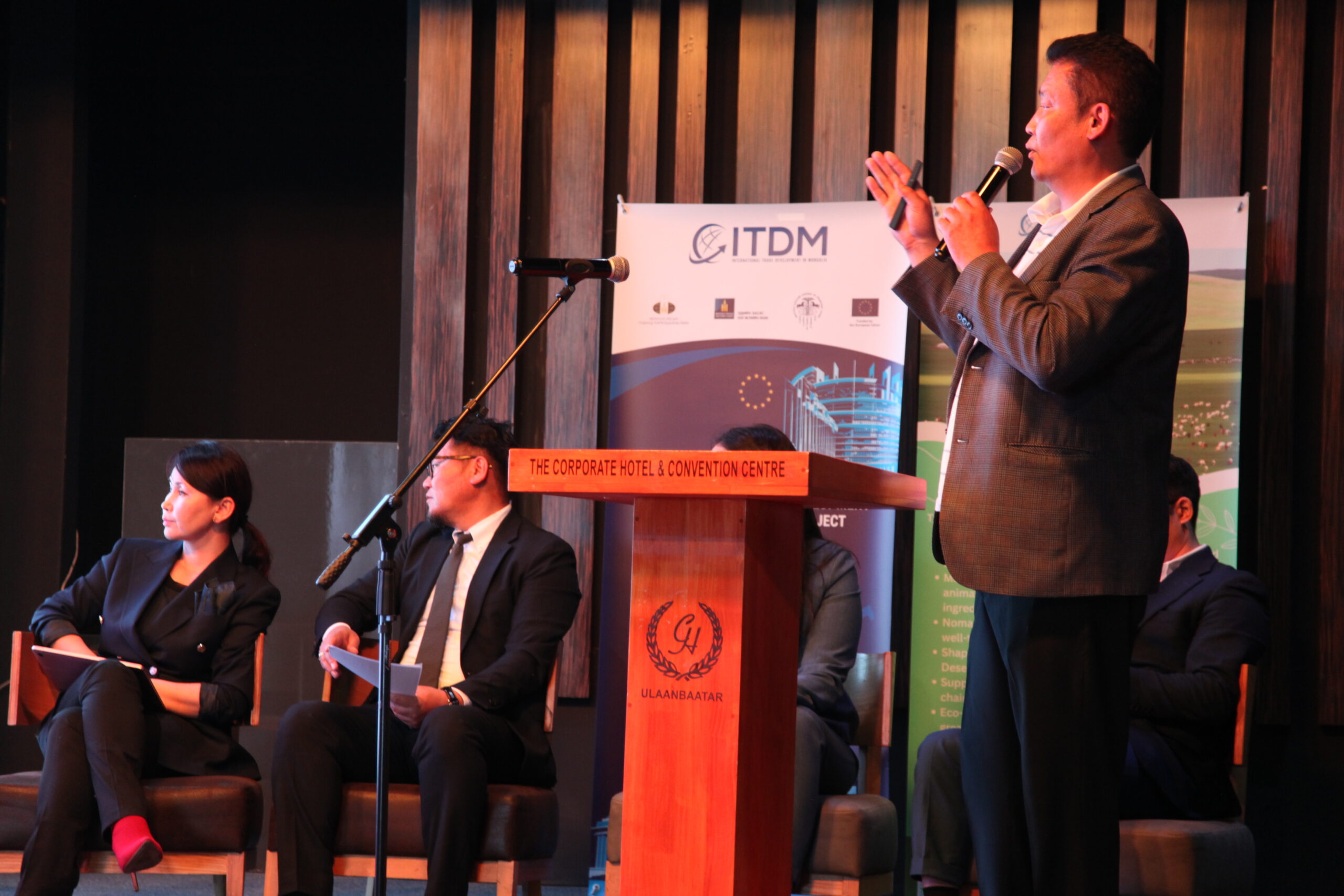
Throughout the discussions, participants underscored that Mongolia, as the homeland of the Bactrian camel, must elevate its camel sector to a strategic priority. Key recommendations included the efficient utilization of camel milk, camel wool, baby camel wool, and hide resources; the systematic integration of these resources into economic circulation; comprehensive value‑chain development; enhanced value addition; innovation uptake; and the establishment of an optimized system for the supply chain of camel‑derived raw materials and end products development. The importance of multi‑stakeholder partnership and cooperation for the sustainable development of the camel sector was also stressed.
In addition to camel milk and wool, considerable attention was devoted to expanding research on male camel hormone, camel humps, and camel meat, alongside the development of innovative applications and their subsequent introduction to both domestic and international markets.
International experts further observed that by strengthening the camel economy—through the processing of camel‑based raw materials and products and their placement on domestic and global markets—Mongolia possesses substantial potential resilient, combat land degradation and climate change, while advancing its green transition objectives.